16 Oct 2026
Seasonal Timing Patterns Influence Prize Pool Growth Rates Across Devices for Online Slot Players
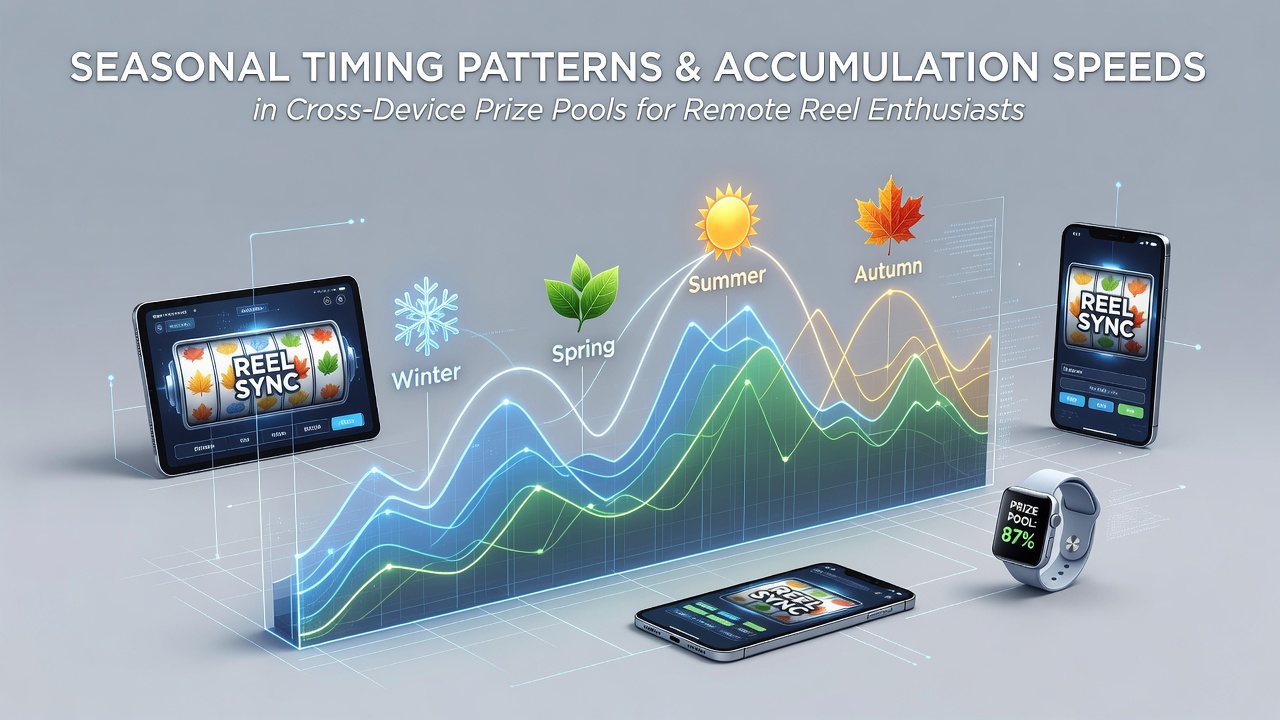
Seasonal timing patterns shape how quickly prize pools build in cross-device environments where remote reel enthusiasts connect through mobile apps and desktop platforms, and data from multiple regions shows clear variations tied to calendar cycles rather than random chance. Researchers tracking progressive systems have observed that player volume spikes during certain months drive faster contributions to shared pools while quieter periods slow the pace, yet device preferences shift alongside these rhythms and create distinct accumulation profiles. In October 2026 fresh reports from North American operators highlighted how fall schedules align with increased evening logins on tablets and phones, accelerating pool growth compared to summer months when outdoor activities pull attention away from screens.
Mapping Seasonal Cycles to Contribution Rates
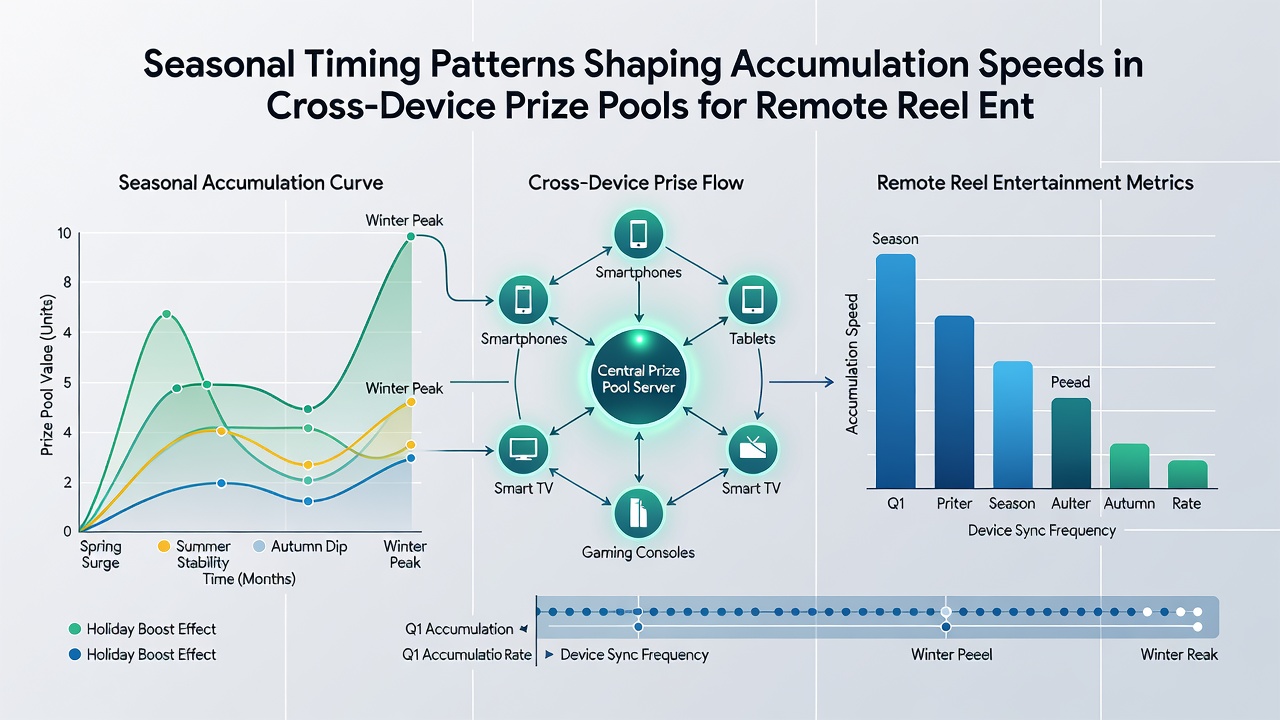
Winter months often bring sustained indoor sessions across time zones, and figures from the Nevada Gaming Control Board indicate that jackpot contributions rise steadily from November through February because users log in more frequently during shorter days, while spring transitions introduce weekend fluctuations that moderate speeds as daylight hours extend. Summer patterns show a noticeable dip in desktop activity yet mobile engagement holds steady during travel periods, and analysts note that cross-device synchronization allows pools to maintain momentum even when one platform sees reduced traffic. Those who've examined multi-year datasets point out that autumn brings a rebound as routines stabilize, and this cycle repeats with enough consistency that operators adjust marketing around predictable peaks.
Device-Specific Behaviors During Peak Seasons
Mobile devices dominate during holiday travel windows, and studies from the University of Las Vegas gaming research lab reveal that accumulation speeds increase when users switch between phones and tablets mid-session because seamless cross-device tracking captures every spin without interruption. Desktop play tends to cluster in early mornings or late evenings during colder seasons, contributing larger average bets per session although fewer total plays occur compared to mobile bursts, whereas tablets bridge the gap for longer weekend sessions in transitional months like March and September. Observers tracking these flows emphasize that prize pool algorithms factor in real-time device data, so a surge on one platform can offset slower periods on another and keep overall growth balanced across the network.
What's notable is how regional weather events intersect with these patterns, and a 2025 report compiled by the Canadian Centre for Gaming Research documented faster pool fills in provinces experiencing early snowfalls because more residents stayed indoors and engaged across multiple devices throughout the day. Conversely, regions with prolonged warm spells saw fragmented login times that stretched accumulation timelines, although global pools mitigated some of the slowdown by drawing from international participants on different seasonal schedules.
Regional Data and Cross-Border Comparisons
European markets display parallel trends adjusted for local calendars, and data compiled by the European Gaming and Betting Association shows that summer vacation periods reduce overall contributions while back-to-school routines in late August trigger renewed activity spikes across phones and laptops. Australian operators, drawing from reports issued by the Australian Communications and Media Authority, report that their summer months coincide with northern hemisphere winter peaks, creating year-round stability for international prize pools that link multiple continents. This geographic offset means enthusiasts in one hemisphere often fuel growth during another region's off-season, and the resulting continuity benefits remote players who access the same progressive systems regardless of local weather.
Take one dataset released in early 2026 that compared mobile versus desktop contribution ratios across four seasons, and the results showed mobile devices accounting for 68 percent of total pool inputs during summer while desktop shares climbed to 42 percent in winter, illustrating how seasonal timing reshapes the balance. Those monitoring these shifts note that algorithms now incorporate historical seasonal multipliers to forecast payout timelines more accurately, allowing networks to communicate expected growth windows to participants without promising specific outcomes.
Future Projections for October 2026 and Beyond
Projections for the remainder of 2026 suggest continued emphasis on seasonal modeling as operators refine cross-device integration, and preliminary October figures already indicate stronger accumulation rates than the same period in 2025 due to expanded tablet features and improved network stability. Industry associations continue to publish aggregated statistics that help clarify these dynamics, and remote reel enthusiasts benefit from greater transparency around how timing influences pool velocity across platforms.
Conclusion
Seasonal timing patterns continue to determine accumulation speeds in cross-device prize pools, and the evidence from regulatory bodies, academic institutions, and industry reports demonstrates consistent relationships between calendar periods, device usage, and contribution rates. Remote reel enthusiasts encounter these rhythms through everyday play, while operators use the data to maintain balanced networks that span regions and seasons. As October 2026 unfolds, ongoing analysis will likely refine these understandings further and support more precise modeling of how external cycles shape internal pool dynamics.